
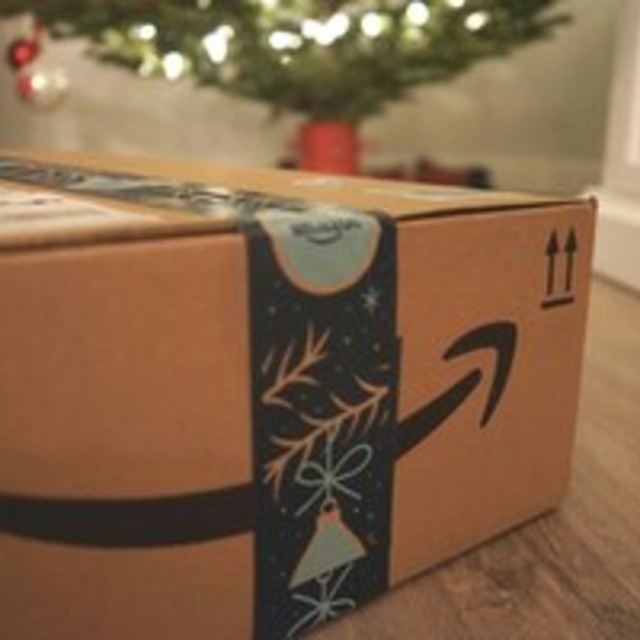
Amazon Prime Day 2025 has shattered all previous records. With billions in sales, millions of shoppers, and global attention, it's more than just a mega-sale — it's a crystal-clear indicator of evolving eCommerce trends. For small businesses, the event offers crucial insights that can be leveraged for strategic growth. This blog dives deep into the key takeaways from Amazon Prime Day 2025 and reveals how small businesses can replicate its success.
The Impact of Amazon Prime Day 2025
Amazon Prime Day has evolved from a one-day sale into a two-day global retail event, triggering sales across multiple platforms. In 2025, the numbers are staggering:
What Small Businesses Can Learn from Amazon Prime Day
1. Create a Time-Bound Sales Strategy
Build Urgency with Flash Sales
Amazon Prime Day teaches that urgency drives conversions. Limited-time offers and countdown clocks push buyers into action. Small businesses can replicate this by creating their flash sale windows, particularly around national holidays or product launches.
Pre-Sale Teasers
Just like Amazon rolls out early deals, small businesses should tease offers on social media, via email marketing, and in-store banners to build momentum.
2. Artificial Intelligence in Sales
Personalized Recommendations
Amazon used AI algorithms to tailor suggestions based on browsing history, location, and past purchases. Small businesses can utilize affordable AI tools (like Shopify’s product recommendation apps or Mailchimp’s smart email tools) to personalize shopping experiences.
3. Optimize Product Listings
Clear Titles & Bullet Points
Amazon sellers were required to use keyword-rich product titles and benefits-focused bullet points. Small businesses should treat their e-commerce platforms with the same rigor, from SEO to formatting.
Include Customer Reviews & FAQs
Prime Day deals with thousands of product reviews. Small businesses can solicit customer testimonials after the purchase and showcase FAQs to reduce purchase hesitation.
4. Utilize Influencer and Affiliate Marketing
Short-Form Video Dominance
This year, Amazon heavily promoted deals through TikTok-style influencer videos. SMBs can reach niche audiences through micro-influencers and user-generated content (UGC).
Affiliate Partnerships
Start an affiliate program using platforms like ShareASale or Refersion to expand digital reach during sales events.
5. Master Logistics and Fulfillment
Same-Day/Next-Day Shipping
Amazon’s warehouse efficiency allowed it to ship 85% of orders within 48 hours. While small businesses may not be able to match that, partnering with fulfillment services like ShipBob or Deliverr can help close the gap.
Inventory Planning
Prime Day sellers forecast demand months in advance. Use inventory planning tools like Zoho Inventory or QuickBooks Commerce to ensure top-performing products are well-stocked.
6. Scale Email Marketing Before and After Sales Events
Prime Email Blasts
Amazon sent more than 200 million Prime Day-related emails globally. SMBs should ramp up email communication before, during, and after sales.
Email Marketing Funnel Example:
Funnel StageTacticTimingAwareness"Coming Soon" Teaser Emails10 Days OutEngagementProduct Highlights & Early Access Deals5 Days OutConversionLive Sale Reminders + Urgency CopySale Day(s)Retention"Thank You" + Cross-Sell Offers1–3 Days After

Behind the Success of Amazon Prime Day 2025
Strategic Use of Consumer Data
Amazon collected vast customer insights across browsing and purchasing behavior. Small businesses should also be collecting and analyzing data via Google Analytics, CRM systems, and POS reports.
Expansion of Buy Now, Pay Later (BNPL)
Amazon reported a 41% increase in the use of BNPL options like Affirm. Small retailers should consider integrating BNPL platforms like Afterpay or Klarna to boost conversion rates.
Loyalty and Retention Programs
Prime membership is more than free shipping — it’s a retention engine. SMBs can adopt loyalty programs through platforms like Smile.io or Yotpo to encourage repeat purchases.
The Role of Social Commerce in Prime Day
TikTok & Instagram Shopping
Over 60% of Gen Z and Millennials browsed Prime Day deals via social apps. Small businesses must prioritize product tagging, shoppable posts, and influencer partnerships.
Live Streaming
Amazon Live featured real-time demos by influencers. Platforms like Facebook Live, YouTube Live, and Instagram Live offer similar value for small businesses, from product launches to Q&As.
Common Mistakes to Avoid
1. Poor Website Performance
Many sites crashed under heavy traffic. Use CDN services, reduce image sizes, and test loading times before big sales.
2. Lack of Mobile Optimization
Over 70% of Prime Day purchases were mobile. Make sure your store is responsive and mobile-first.
3. Ignoring Post-Sale Follow-Up
Many SMBs miss out on re-engaging customers after a sale. Automate thank-you emails, ask for reviews, and suggest related products.
Conclusion
Amazon Prime Day 2025 isn't just a mega-corporate event — it’s a blueprint for how consumers behave in the digital age. Small businesses that adapt the strategies discussed — urgency-driven sales, personalized experiences, influencer marketing, and streamlined logistics — can ride the Prime Day momentum and win big. The key is not imitation but adaptation: take what's working at scale, apply it with a small business twist, and build long-term customer relationships.
Amazon Prime Day proves one thing: when consumers are ready to spend, small businesses must be ready to sell smartly.
Powered by Froala Editor
person About the Author
WooWho Network America's No. 1 Local Business Directory & Multicultural Marketplace. Our platform is an amazing way for consumers and business owners to connect on a local level, regardless of physical location. We’re changing the way that people think about small local businesses and creating an incredible online shopping environment for both business owners and consumers in their communities.
Visit Website open_in_new


Loading comments...